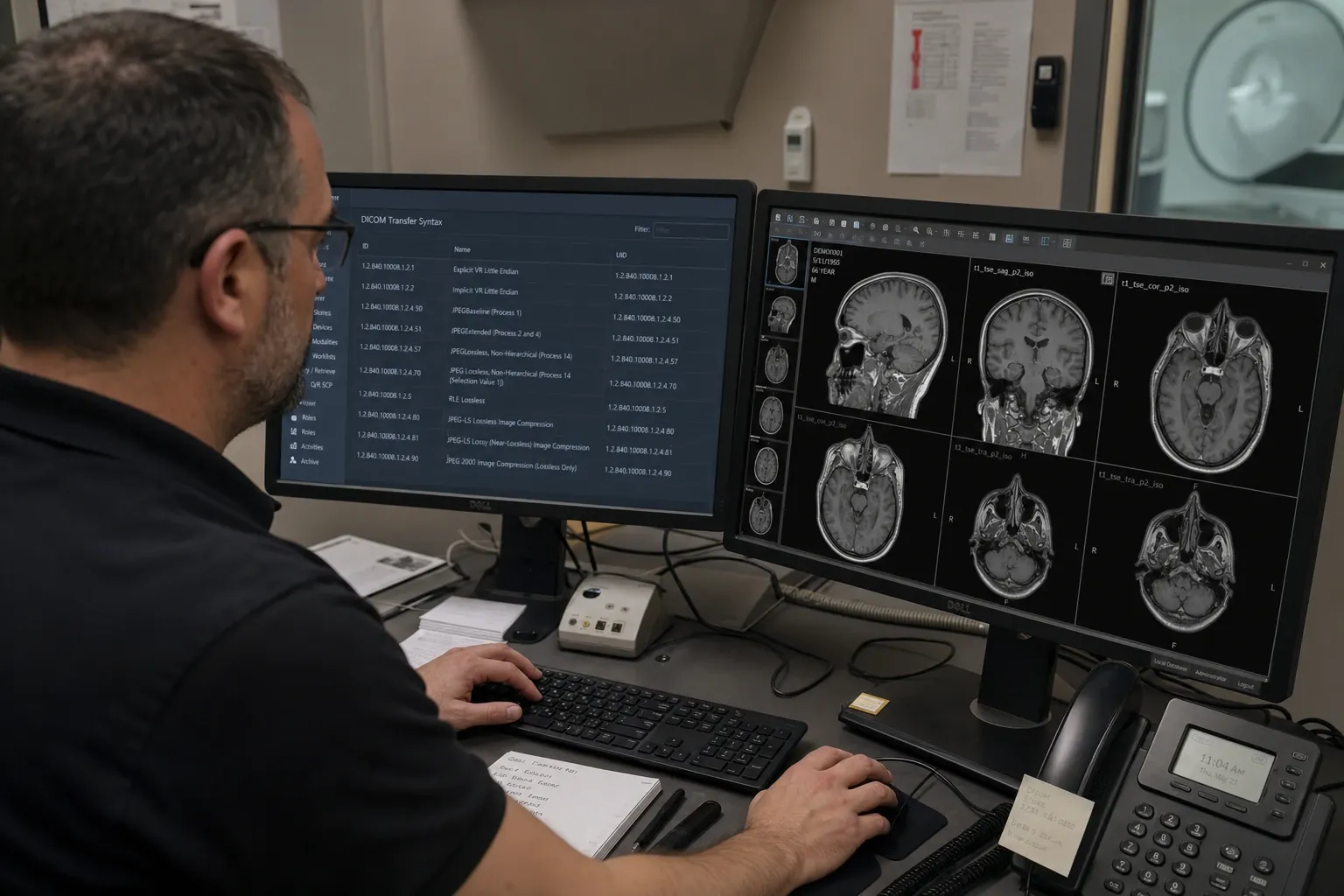
DICOM Transfer Syntaxes Explained
Learn how DICOM transfer syntaxes work, from Implicit VR Little Endian to JPEG 2000 and RLE, and how they affect viewing and migration.
Read more →
Learn how DICOM transfer syntaxes work, from Implicit VR Little Endian to JPEG 2000 and RLE, and how they affect viewing and migration.
Read more →
Learn how HIPAA applies to DICOM viewers, de-identification tools, PACS workflows, BAAs, and PHI handling in medical imaging environments.
Read more →
Learn how to map HL7 ADT messages to FHIR Patient and Encounter resources with field-level guidance for PID, PV1, identifiers, locations, status, and testing.
Read more →
Practical guide to HL7 conformance profiles and site validation: formalize local rules, combine baseline checks with profile review, and cut risk.
Read more →
Map HL7 ORU result messages to FHIR DiagnosticReport and Observation resources with guidance for OBR, OBX, value types, status handling, and validation.
Read more →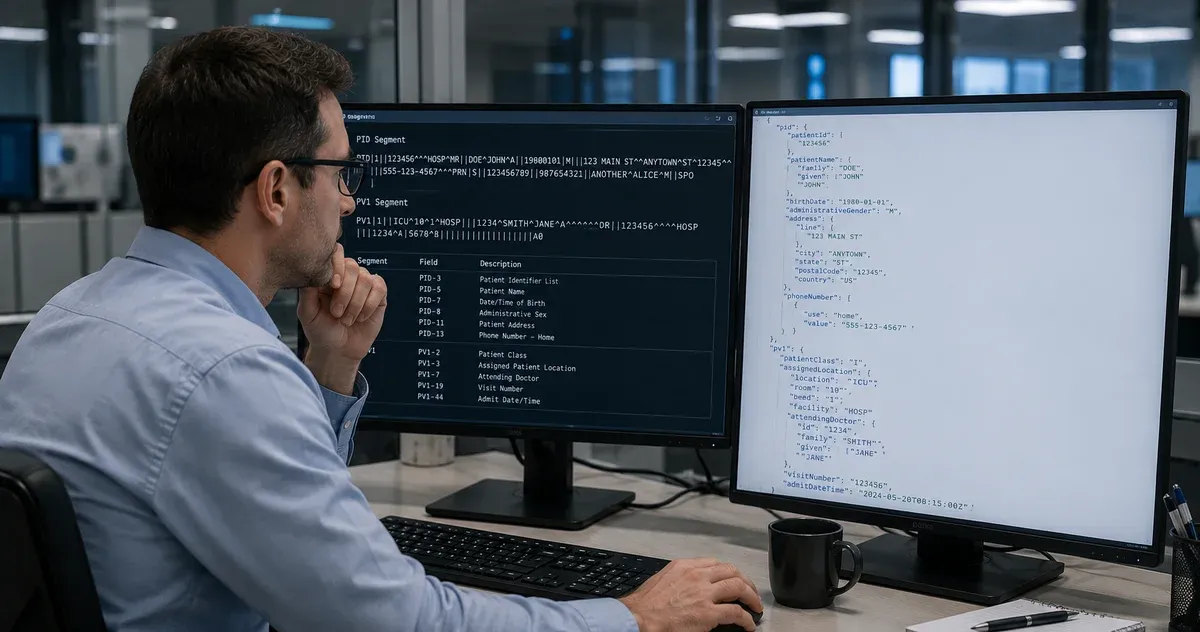
Learn how to map HL7 PID and PV1 segments to JSON without losing identifiers, visit context, repetitions, or null semantics in ADT pipelines.
Read more →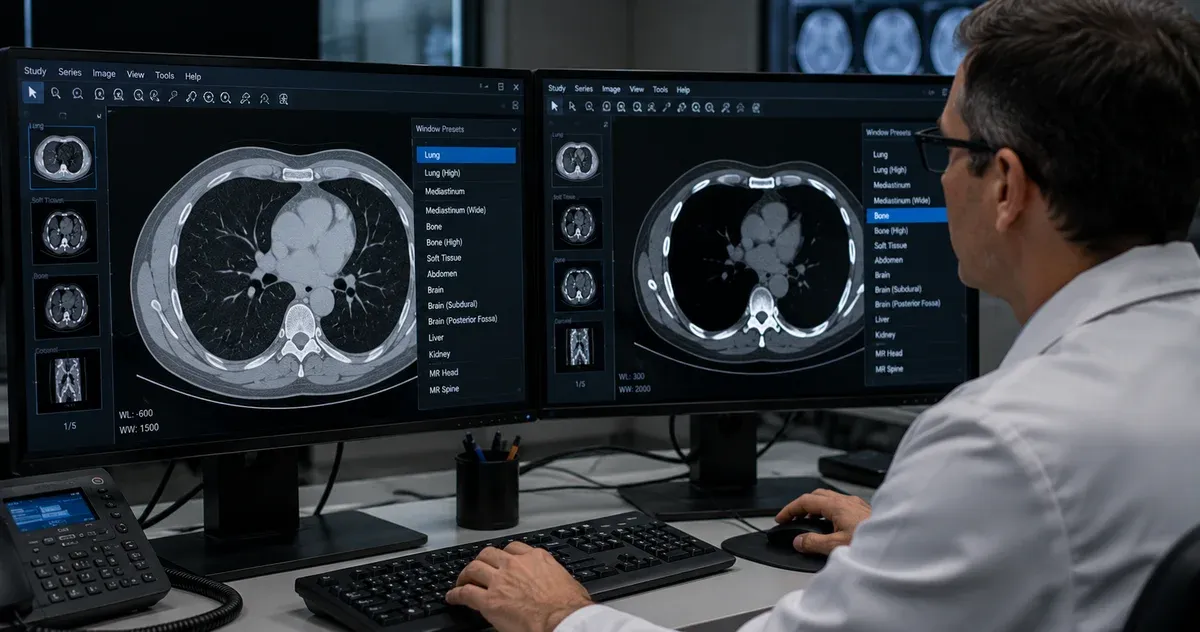
Master DICOM windowing: Window Center and Width, standard CT/MRI/X-ray presets, Hounsfield Units, and how to optimize image contrast for diagnosis.
Read more →
Learn to create valid HL7 v2.x messages for ADT, ORU and ORM with synthetic data, without exposing protected health information.
Read more →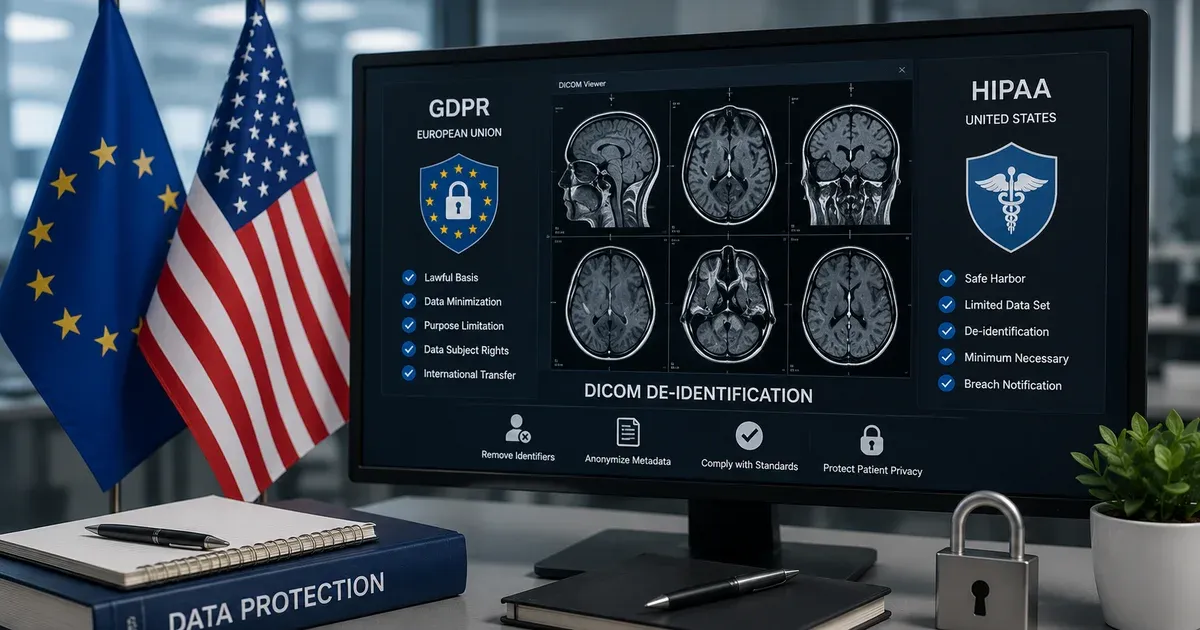
Compare GDPR and HIPAA rules for DICOM image anonymization, including regulatory differences, required tag removals, and multi-site research strategies.
Read more →
Complete guide to generating HL7 ADT trigger events A01, A03, A04, A08, and A11 for interface testing, covering segment structure and validation.
Read more →
How to map HL7 v2.x ADT, ORU, and ORM messages to FHIR R4 resources. Covers Patient, Encounter, Observation, and ServiceRequest mapping with real examples.
Read more →
How HL7 v2.x ORM and ORU messages drive radiology workflows from order entry to result delivery, covering worklist integration and PACS routing.
Read more →